
Let’s face it—real estate is like a giant treasure map. Everyone wants to strike gold, but not everyone has the right compass. You don’t need a magic wand or insider connections to find diamonds in the rough. What you need is a sharp eye for value and a game plan built on data, patience, and a little bit of guts.
So if you’ve ever asked yourself, “Is this property a steal or a trap?”—you’re in the right place. In this guide, we’re diving deep into how to identify undervalued real estate, which types of people should pursue these opportunities, what products and tools to use, and how to maximize the return on your hidden gem.
Spoiler: It’s more fun than binge-watching HGTV. (Okay, almost.)
🧠 What Does “Undervalued” Really Mean?
An undervalued property is one that’s selling for less than its intrinsic market value—whether due to mispricing, location stigma, poor presentation, or even lazy sellers. Your job as an investor? Spot the potential before the crowd catches on.
This could mean:
- A fixer-upper in a hot, gentrifying neighborhood.
- A mismanaged multi-family building with high turnover.
- A commercial space priced low due to temporary vacancy.
- A distressed property in probate or foreclosure.
The best part? You profit from the spread between the price you pay and the true value you unlock.
👤 Who Should Be Hunting for Undervalued Real Estate?
This strategy isn’t for everyone. But if you check these boxes, you might be the ideal treasure hunter:
- Value investors who prefer long-term appreciation over quick flips.
- Risk-tolerant buyers who are comfortable with renovations or tenant turnover.
- Aspiring landlords seeking cash flow.
- Professionals who want to diversify outside of the stock market.
- DIYers and rehab enthusiasts who see charm in “ugly ducklings.”
If you’re someone who gets excited about spreadsheets AND shiplap, you’re golden.
🔍 How to Identify Undervalued Real Estate Opportunities
This is where the fun starts. Think of yourself as a detective—with a calculator.
1. Compare Price Per Square Foot
Use local comps. If the average in the area is $200/sq ft and a home is listed at $140, investigate further. But don’t stop there—cheap isn’t always good.
2. Run the 1% Rule (for Rentals)
If monthly rent is 1% or more of the purchase price, that’s a strong rental candidate. For example, a $200,000 property should rent for $2,000/month.
3. Check the Property’s Condition
Many undervalued deals are hidden behind:
- Dated kitchens
- Overgrown lawns
- Peeling paint
If the bones are solid (roof, foundation, HVAC), cosmetic upgrades could yield huge value.
4. Look for Motivated Sellers
Think:
- Foreclosures
- Estate sales
- Divorce settlements
- Job relocations
Motivated sellers often care more about speed than squeezing out every penny.
5. Study Zoning and Development Trends
A property may be undervalued today, but if it’s in the path of development, it might explode in value tomorrow. Follow transit projects, new schools, or retail announcements.
🛠️ Tools and Platforms to Spot Deals
You don’t need to knock on doors—unless you want to. Here are better ways:
- Zillow + Redfin: Good for finding properties that have been sitting too long.
- Roofstock: Great for turnkey and undervalued rental properties.
- LoopNet: Ideal for commercial opportunities.
- PropStream or DealMachine: Advanced tools for off-market deals and direct mail.
- Auction.com: Risky, but potential for deep discounts.
Set alerts. Run the numbers. Always dig deeper than the listing headline.
🏘️ What Types of Real Estate Fit the “Undervalued” Profile?
Let’s break down the types of properties worth targeting:
Single-Family Homes in Transitional Neighborhoods
Gentrification may be controversial, but it’s also an investing trend. Areas with improving schools, new developments, or incoming coffee shops (seriously!) are signals.
Multi-Family Units with Operational Inefficiencies
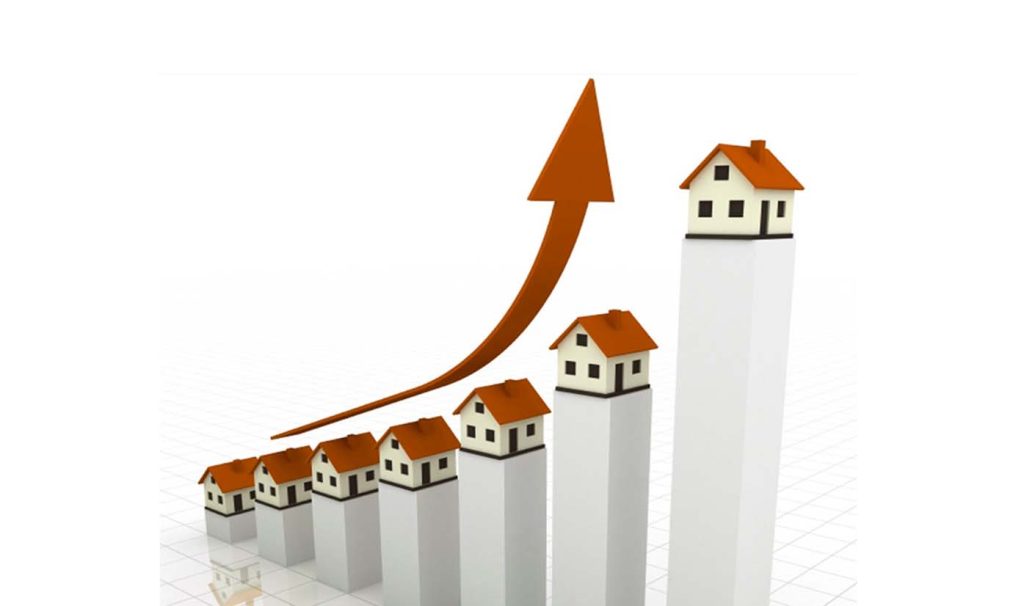
If a 4-plex has 2 vacant units and is managed by a landlord who’s MIA, that’s opportunity. Stabilize the building, raise rents, and refinance.
Distressed or Probate Properties
Often sold below market due to urgency or inheritance confusion. These require savvy negotiation but can be goldmines.
Commercial Buildings in Need of Re-Tenanting
That half-empty strip mall or abandoned dentist office? If the bones are good, you can reposition the space and boost income.
💼 Real Estate Investment Products & Methods
You don’t always have to buy properties directly. Consider:
REITs (Real Estate Investment Trusts)
- Publicly traded, super liquid.
- Great for hands-off investors.
- Options: Vanguard Real Estate ETF (VNQ), Realty Income (O).
Real Estate Syndications
- Pool money with other investors.
- Passive, but with higher barriers to entry.
- Ideal for accredited investors seeking larger-scale deals.
Turnkey Property Providers
- You buy a fully rehabbed rental with tenants in place.
- Less hands-on, less upside—but faster cash flow.
BRRRR Method (Buy, Rehab, Rent, Refinance, Repeat)
- Advanced but highly profitable.
- A great way to recycle capital and grow your portfolio.
📊 Example: The $90,000 Goldmine
Let’s say you find a 3-bedroom home listed for $90,000 in a neighborhood where similar homes sell for $140,000.
It needs:
- $15,000 in cosmetic work
- $5,000 in closing costs
After renovations, it appraises at $150,000. You refinance, pull equity out, and keep the home as a rental.
You just created $40,000+ in equity. That’s the magic of identifying undervalued deals.
⚠️ Common Pitfalls to Avoid
Even seasoned investors trip up. Here’s what to watch for:
- Overestimating value-add potential – Not all upgrades translate to resale value.
- Ignoring location issues – A great price in a bad neighborhood is still… a bad investment.
- Underestimating repair costs – Always get professional inspections.
- Assuming appreciation – Focus on cash flow first, appreciation second.
🔚 Your Real Estate Treasure Map Starts Here
Undervalued real estate is all around us—on dusty MLS listings, whispered in networking groups, even hiding behind overgrown hedges. But it takes a trained eye, a patient mind, and a firm understanding of numbers to uncover those deals.
The reward? You’re not just buying bricks and drywall—you’re building equity, cash flow, and long-term wealth.
So get out there, look past the ugly paint, the outdated kitchen, the bad listing photos, and see what others don’t.
Because when it comes to real estate investing, the best deals aren’t shouted from the rooftops… they’re quietly waiting for someone like you to notice.